

Call Get a free quote

Eisener's Plumbing: From Generic Traffic to Better Plumbing Lead Tracking

A plumbing case study on clarifying lead intent, reducing friction, and building cleaner tracking around the calls and forms that matter.


By Rob Gillan

Eisener's Plumbing logo

Plumbing campaigns work better when urgency and planning are not treated as the same lead

Plumbing marketing usually has two very different jobs to do at once:

  • catch the person who needs help right now
  • support the person pricing out a larger project or replacement

Eisener’s Plumbing is a good example of why those two lead types should not be forced through the same message, same landing page, and same tracking lens.
Client snapshot

  • Client: Eisener’s Plumbing
  • Market: Nova Scotia
  • Industry: Plumbing
  • Services delivered: intent cleanup, conversion-path refinement, lead-tracking improvements
  • Proof asset: public brand asset and the structural changes described below

The initial problem

A lot of plumbing marketing feels active without being especially useful.

Calls come in, forms come in, campaigns spend money, and yet the owner still does not have a confident answer to the most important question: which searchers, services, and pages are producing the best-fit work?

That was the operating problem we wanted to tighten up here.

What we changed

The work centered on structure more than spectacle:

  • clearer separation between urgent plumbing intent and planned project intent
  • a cleaner route from ad or search click to a more specific landing experience
  • stronger expectations around what should be tracked and how it should be interpreted
  • less tolerance for vague “traffic is up” reporting that does not explain lead quality

In plumbing, clarity around intent is not a reporting detail. It changes what you say, what page you send traffic to, and how quickly the visitor feels understood.

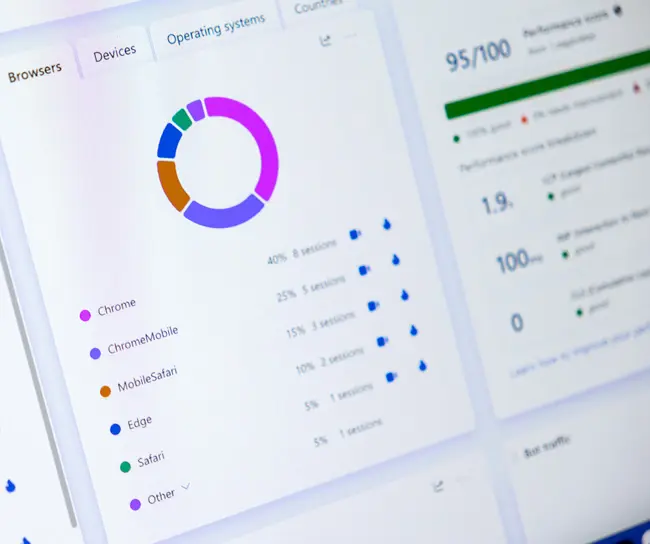
Analytics dashboard representing lead tracking

Concrete results we could see

Even without publishing internal numbers, the operational wins were clear:

  • better distinction between emergency and planned-lead paths
  • cleaner visibility into which interactions actually mattered
  • less dependence on generic traffic as a proxy for performance
  • stronger support for optimizing around booked work instead of just activity

That is the kind of improvement that makes future optimization easier, because the business can finally see the lead system more clearly.

Why this matters for similar plumbing companies

If you run plumbing campaigns without a sharp distinction between urgency and planning, you end up with muddy pages, muddy offers, and muddy reporting.

Better tracking by itself does not create leads. But it does make it far easier to improve the parts of the system that are actually limiting growth.

Call now Get a free quote