
CallGet a free quote

What Foundation Repair and Waterproofing Websites Need To Prove Before a Homeowner Calls

A trust-first guide for foundation repair and waterproofing companies on showing proof, local credibility, and a safer next step for worried homeowners.


By Rob Gillan

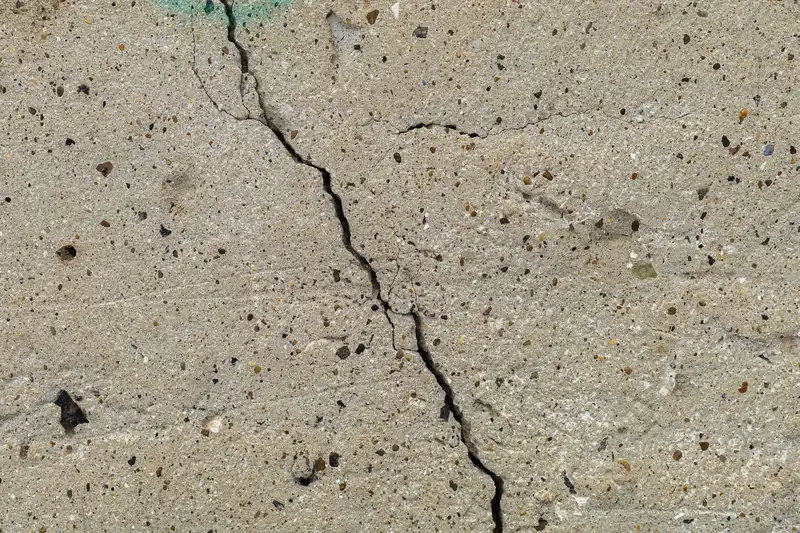
Foundation crack detail

Homeowners do not call foundation and waterproofing companies because they are casually curious

They call because there is water in the basement, a crack in the wall, movement they do not understand, or a creeping sense that a small problem is turning into a bigger one. That changes what the website has to prove.

Google’s people-first content guidance says its systems try to identify content that demonstrates experience, expertise, authoritativeness, and trustworthiness, and it specifically notes that trust is the most important of those aspects.1 For a category tied to home safety, stress, and expense, that is the right standard to write toward.


The page has to prove it understands the problem, not just name the service

Generic copy about “quality workmanship” does not do much for someone staring at moisture, bowing walls, or an unexplained crack. The page needs to show it understands the actual situations people search for:

  • seepage after heavy rain
  • recurring basement moisture
  • exterior drainage issues
  • visible cracks or movement
  • crawlspace dampness and odor

In our experience, high-trust service pages work best when they name the problem plainly, explain the next step clearly, and avoid sounding like they are minimizing the customer’s concern.

Use real proof, not just reassurance words

BrightLocal’s 2026 Local Consumer Review Survey found that 97% of consumers read reviews for local businesses, 85% are more likely to use a business after reading positive reviews, and 54% then check the business’s website.2 Google Business Profile guidance adds that complete and detailed business information helps Google understand a business, that responding to reviews can help a business stand out, and that photos and videos help tell the story of the business.3

For waterproofing and foundation pages, that makes a strong case for visible proof:

  • review snippets that mention similar problems
  • before-and-after project photos when appropriate
  • service-area specificity
  • clear company identity, phone number, and next step
  • project explanations that sound like they come from real field experience
Homeowner reviewing contractor options

Make photo evidence readable to both people and search systems

Google’s guidance for AI features says the same SEO fundamentals still apply, and specifically recommends making important content available in textual form, supporting it with high-quality images, and making sure structured data matches visible text.4

That is especially useful for photo-heavy service categories. If the only proof lives inside unlabeled image galleries, you are making the page harder for both visitors and search systems to understand. Captions, problem descriptions, location details, and short explanations of what the photo shows do more work than a raw gallery ever will.

Contractor conversation at a kitchen table

The inspection or estimate request should feel safe to start

Baymard’s 2024 checkout research found that the average checkout contains 11.3 form fields and that 18% of users abandon because the flow feels too complex.5 That is ecommerce research, not home-services research, but the friction lesson still applies: worried homeowners do not want the first step to feel like paperwork.

For this category, we generally prefer a short, low-pressure contact path:

  • name
  • phone or email
  • city or postal code
  • brief description of the issue

Let the inspection process do the heavier diagnostic work. The website’s job is to help the homeowner take the first step with more confidence, not more effort.

What these pages really need to prove

Before a homeowner calls, the page usually needs to prove four things:

  • this company understands the exact kind of problem I have
  • this company works in my area
  • this company looks credible enough to trust in my home
  • this company gives me a simple next step

When those answers are visible, trust stops being abstract. It becomes actionable.

Sources

  1. Google Search Central: Creating helpful, reliable, people-first content

  2. BrightLocal: Local Consumer Review Survey 2026

  3. Google Business Profile Help: Tips to improve your local ranking on Google

  4. Google Search Central: AI features and your website

  5. Baymard: Checkout Optimization - 5 Ways to Minimize Form Fields in Checkout

Call nowGet a free quote